Clinical
Perspectives.
Expert insights, dental health guides, and the latest in clinical innovation from Gurgaon's leading specialists.
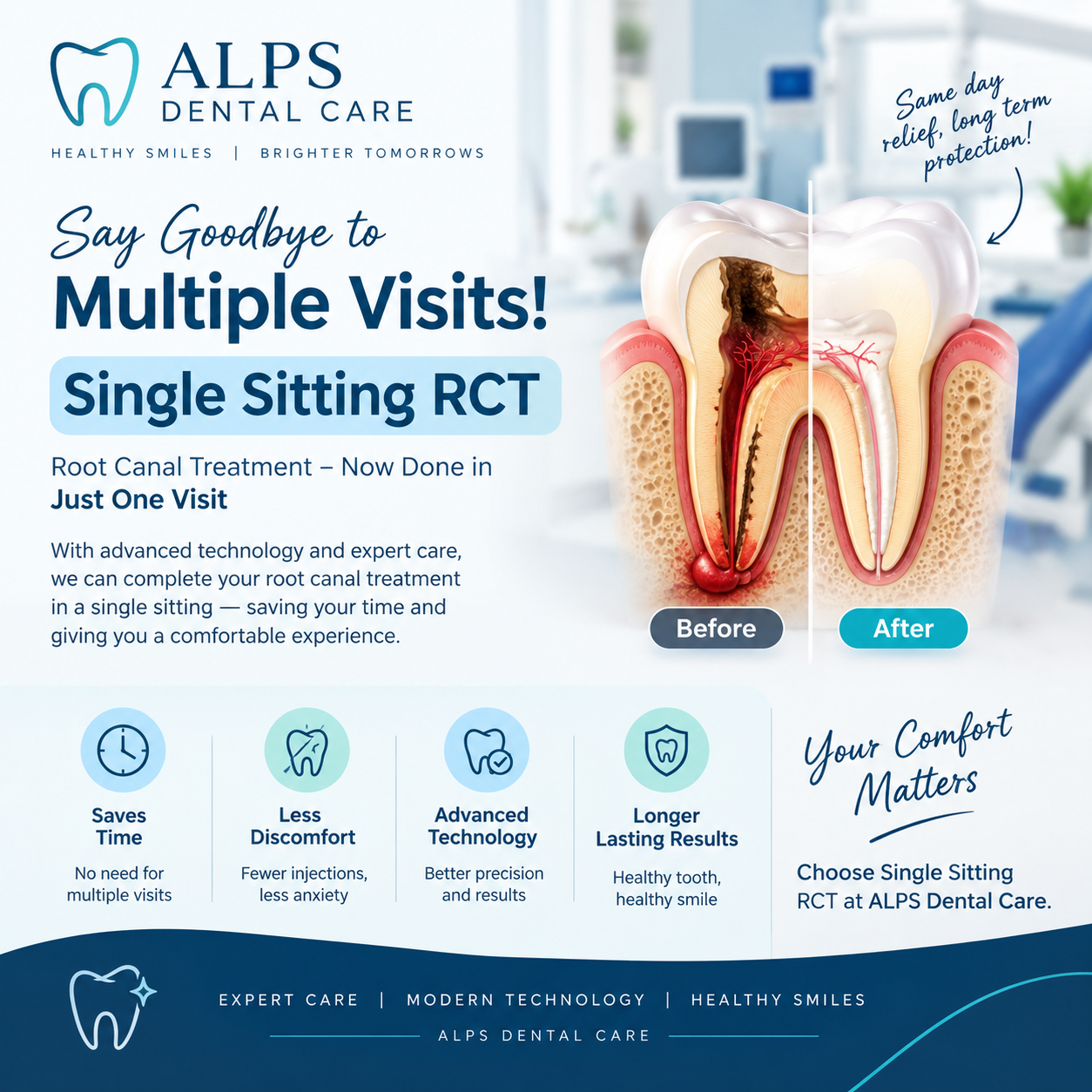
Single sitting RCT
Single-Sitting RCT: Complete Root Canal Treatment in One VisitSingle-sitting Root Canal Treatment (RCT) is an advanced approach that allows suitable root canal cases to be completed in a single appointment. For patients with busy schedules, it can reduce the number of dental visits while providing comprehensive treatment in one sitting.At ALPS Dental Care, modern endodontic techniques and careful treatment planning are used to determine whether a tooth is suitable for single-visit RCT.What Is Single-Sitting Root Canal Treatment?Root Canal Treatment is performed when the pulp inside a tooth becomes inflamed or infected because of deep decay, trauma, cracks, or other dental problems.During RCT, the dentist:Removes infected or inflamed pulp tissueCleans and shapes the root canalsDisinfects the canal systemFills and seals the canals with an appropriate root-filling materialRestores the tooth to help protect it and restore functionRoot canal treatment can often be completed in one or two appointments, depending on the individual tooth and clinical situation.How Does Single-Sitting RCT Work?A typical single-visit RCT may involve:1. Diagnosis and Treatment PlanningThe tooth is examined clinically and with appropriate dental imaging to determine the condition of the tooth, roots, and surrounding tissues.2. Local AnaesthesiaThe tooth and surrounding area are carefully numbed to make the procedure comfortable.3. IsolationA dental dam may be used to isolate the tooth and maintain a clean treatment field.4. Cleaning and ShapingThe infected or inflamed pulp is removed, and the root canals are carefully cleaned and shaped.5. Irrigation and DisinfectionSpecialised irrigation protocols are used to help reduce microorganisms and debris within the root canal system.6. ObturationOnce the canals are appropriately prepared and the clinical conditions are suitable, they are filled and sealed.7. Final RestorationAfter RCT, the tooth needs a suitable permanent restoration. Depending on the amount of tooth structure remaining and the location of the tooth, this may include a filling, onlay, or crown.What Are the Benefits of Single-Sitting RCT?For an appropriately selected case, completing RCT in one appointment may offer several practical benefits:✔ Fewer dental appointmentsUseful for patients with busy professional or personal schedules.✔ Saves timeThe endodontic treatment can be completed during one planned appointment.✔ Earlier completion of treatmentThe patient can proceed toward definitive restoration without waiting for another endodontic appointment.✔ Convenient for patients travelling from another cityA single-visit approach may be particularly convenient when clinically appropriate.✔ Modern endodontic techniquesContemporary instruments, magnification, irrigation and imaging can assist the clinician in managing root canal treatment precisely.Is Single-Sitting RCT Suitable for Everyone?No. Single-sitting RCT is not automatically appropriate for every tooth.The decision depends on factors such as:The diagnosisPulpal and periapical conditionPresence and extent of infectionRoot canal anatomyNumber and complexity of canalsAbility to adequately clean and disinfect the canal systemPatient symptoms and clinical findingsRemaining tooth structureWhether the tooth can be predictably restoredThe American Association of Endodontists notes that clinical circumstances and treatment complexity can influence the choice between single- and multiple-visit treatment.Is Single-Sitting RCT as Effective as Multiple-Visit RCT?Evidence does not show a clear difference in one-year radiographic outcomes between single-visit and multiple-visit root canal treatment in permanent teeth. However, the evidence also indicates that postoperative pain during the first week may be somewhat more common after single-visit treatment in some patients.Therefore, the goal should not simply be to finish the treatment in one appointment. The priority is proper diagnosis, thorough cleaning and disinfection, effective sealing, and appropriate final restoration.Does a Root Canal Treated Tooth Need a Crown?In many cases, especially for posterior teeth, a strong definitive restoration is important after RCT to protect the remaining tooth structure.The appropriate restoration depends on the tooth, the amount of remaining structure, its functional requirements, and other clinical factors. The AAE explains that a crown or another suitable restoration may be required to protect and restore the treated tooth.Why Choose ALPS Dental Care for Single-Sitting RCT?At ALPS Dental Care, every root canal case is evaluated individually. The treatment approach is selected according to the tooth's condition rather than simply following a fixed “one visit” protocol.Our focus is on:Accurate diagnosisModern endodontic techniquesCareful canal cleaning and shapingEffective disinfectionPrecise obturationComfortable patient careAppropriate final restorationFrequently Asked QuestionsIs single-sitting RCT painful?Modern local anaesthesia makes the procedure comfortable for most patients. Some tenderness or discomfort can occur after treatment.How long does single-sitting RCT take?Treatment time varies according to the tooth and canal complexity. A molar with multiple or complex canals may require considerably more time than a straightforward tooth.Can an infected tooth be treated in one sitting?Some infected teeth can be treated in one visit, but not every case is suitable. Your dentist should determine the appropriate treatment protocol after clinical and radiographic evaluation.Is single-sitting RCT better than two-visit RCT?There is no universal “better” option. The appropriate number of visits depends on the individual tooth and clinical circumstances.What should I do after RCT?Follow your dentist's instructions and arrange the definitive restoration promptly when advised. Avoid placing excessive force on a temporarily restored tooth.ConclusionSingle-Sitting RCT can be a convenient and effective treatment option for carefully selected cases. However, successful root canal treatment depends on much more than completing the procedure in one appointment.If you have severe tooth pain, sensitivity, swelling, deep decay, or a damaged tooth, a dental examination can help determine whether Root Canal Treatment is required and whether a single-visit approach is appropriate.ALPS DENTAL CAREExpert Care | Modern Technology | Healthy SmilesBook a dental consultation to find out whether your tooth is suitable for Single-Sitting RCT.
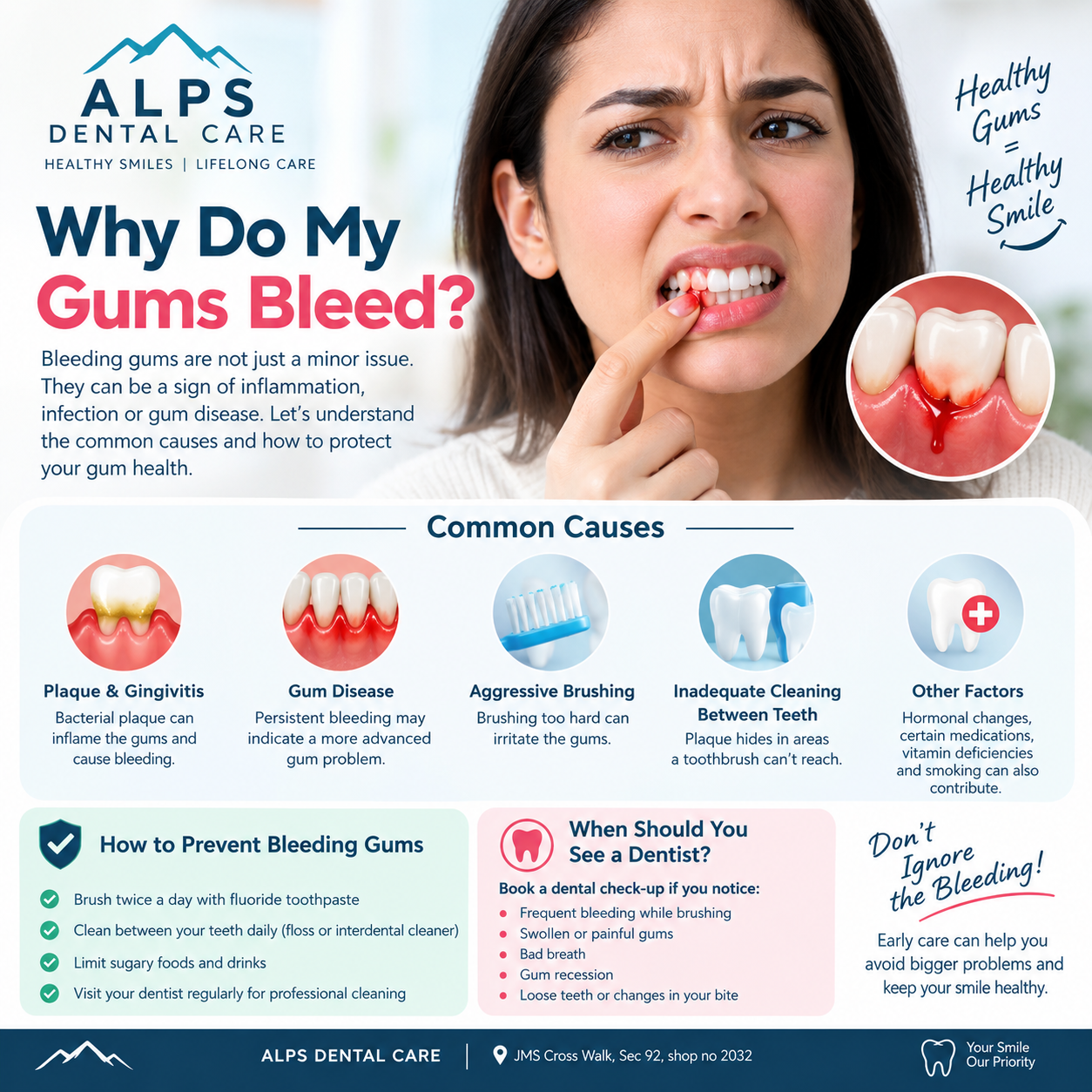
Bleeding Gums
Why Do My Gums Bleed When I Brush? Causes, Treatment & PreventionHave you noticed blood while brushing or flossing your teeth? Bleeding gums are not something you should routinely ignore. They can be associated with plaque-related gum inflammation, but persistent bleeding may indicate a more advanced gum problem that needs professional evaluation.At ALPS DENTAL CARE, we encourage patients to address gum problems early because prevention and timely treatment can help protect the gums and supporting tissues around the teeth.What Causes Bleeding Gums?1. Plaque and GingivitisPlaque is a sticky bacterial film that accumulates around the teeth and gumline. When plaque is not removed effectively, the gums can become inflamed, red and prone to bleeding.The American Dental Association recommends brushing twice daily with fluoride toothpaste and cleaning between the teeth every day as part of good oral care.2. Gum DiseasePersistent bleeding can be a sign of gum disease. Other warning signs may include:Red or swollen gumsPersistent bad breathGum tendernessGum recessionLoose or shifting teethChanges in the way teeth come togetherEarly identification allows your dentist to determine the cause and recommend appropriate treatment.3. Brushing TechniqueBrushing too aggressively can irritate the gums. Instead of applying excessive pressure, use a soft-bristled toothbrush and gentle, controlled movements.4. Inadequate Cleaning Between TeethBrushing alone does not clean all surfaces between teeth. Daily interdental cleaning can help remove plaque from areas that a toothbrush cannot reach.Is It Normal for Gums to Bleed?Occasional bleeding should not automatically be considered normal. If your gums bleed repeatedly, especially despite regular brushing and interdental cleaning, it is worth having them examined by a dentist.Your dentist can assess your gums, plaque levels and other risk factors and determine whether you need professional cleaning or further periodontal evaluation.How Can You Prevent Bleeding Gums?A simple daily routine can help maintain healthy gums:Brush twice a day with fluoride toothpaste.Clean between your teeth daily with floss or an appropriate interdental cleaner.Limit frequent sugary foods and drinks.Maintain regular dental check-ups and professional cleaning when recommended.Preventive care should be personalized according to an individual's oral-health needs and risk factors.When Should You Visit a Dentist?Book a dental examination if you experience:Frequent bleeding while brushingSwollen or painful gumsPersistent bad breathGum recessionLoose teethPus around the gumsSignificant changes in your biteDon't wait for severe pain before getting your gums checked. Some gum problems can progress with relatively few symptoms.Gum Care at ALPS DENTAL CAREAt ALPS DENTAL CARE, we provide comprehensive dental examinations and preventive care to help identify gum problems at an early stage.A healthy smile begins with healthy gums. If your gums bleed regularly, schedule a dental check-up and find out the cause rather than simply ignoring the bleeding.Frequently Asked QuestionsWhy do my gums bleed when I brush?The most common reason is plaque-related gum inflammation, although other factors can contribute.Can bleeding gums be treated?Treatment depends on the underlying cause. Your dentist can recommend appropriate professional and home care.Should I stop brushing if my gums bleed?Do not simply stop cleaning your teeth. Gentle, effective oral hygiene is important, but persistent bleeding should be evaluated by a dental professional.How can I keep my gums healthy?Brush twice daily with fluoride toothpaste, clean between your teeth daily, maintain a healthy diet and attend dental examinations at an appropriate interval.Healthy gums are the foundation of a healthy smile.
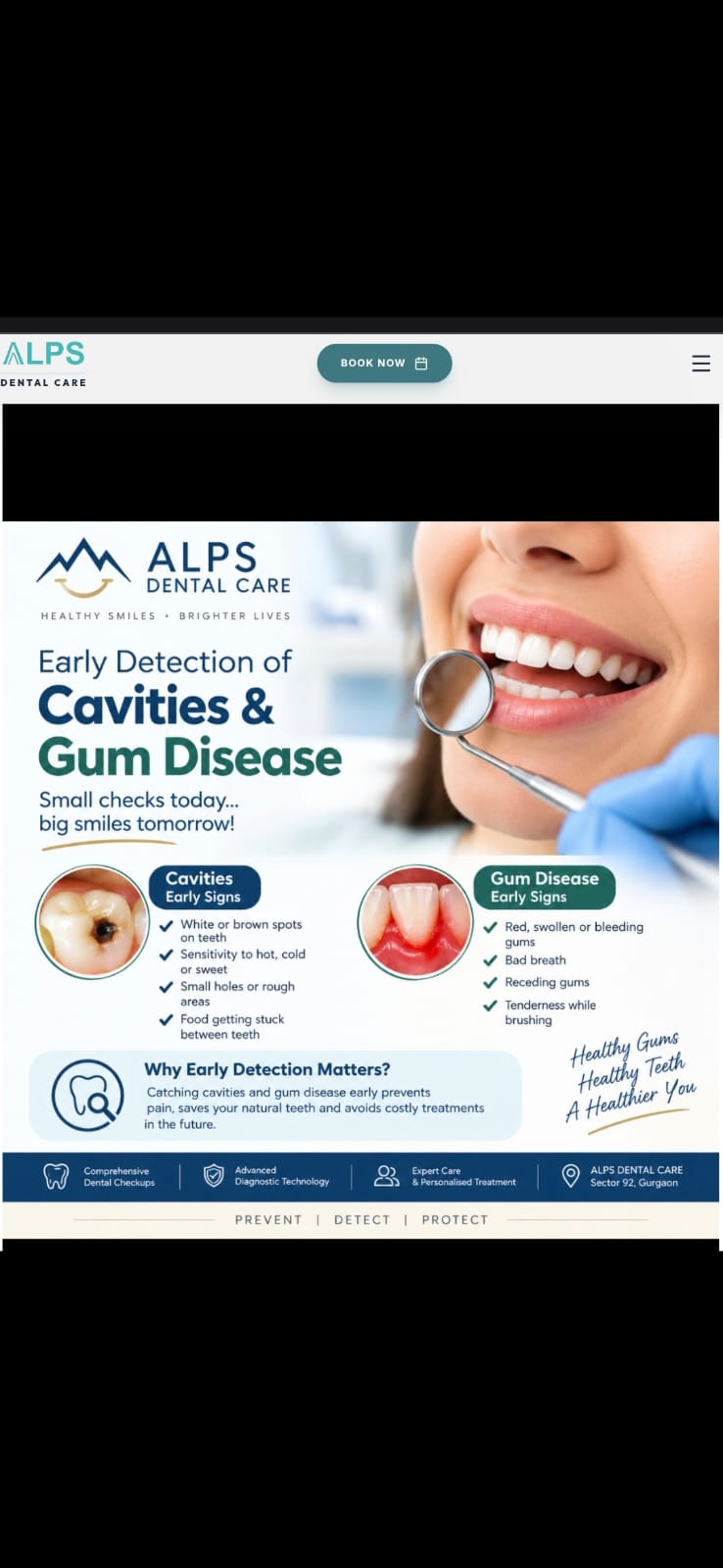
Early detection of caries and gum disease
Early Detection of Caries and Gum Disease: Why Regular Dental Checkups MatterHealthy teeth and gums are not just about having a beautiful smile—they are an important part of your overall oral health. Two of the most common dental problems are dental caries (cavities) and gum disease. The good news is that both can often be detected at an early stage, when treatment is simpler and more conservative.Many dental problems may develop without causing noticeable pain in the beginning. This is why regular dental checkups and early detection of caries and gum disease play an important role in maintaining healthy teeth and gums.What Is Dental Caries?Dental caries, commonly called tooth decay or cavities, occurs when acids produced by bacteria gradually damage the tooth structure.In its early stages, caries may appear as a white, chalky or brownish spot on the tooth. At this stage, there may be little or no pain.If the decay progresses, it can form a cavity and eventually reach the deeper layers of the tooth, potentially causing sensitivity, severe pain or infection.Early Signs of Dental CariesLook out for:White, brown or dark spots on the teethSensitivity to cold, hot or sweet foodsFood frequently getting stuck in one areaRough or chipped areas on a toothMild toothache or discomfort while chewingA visible hole or cavityHowever, the absence of pain does not necessarily mean that your teeth are healthy. Early decay can sometimes be detected only during a professional dental examination.What Is Gum Disease?Gum disease is an infection and inflammation of the tissues supporting your teeth. It commonly begins as gingivitis, which may cause red, swollen or bleeding gums.When left untreated, gum disease can progress to periodontitis, which may affect the bone supporting the teeth.Early Signs of Gum DiseasePossible warning signs include:Bleeding while brushing or flossingRed or swollen gumsPersistent bad breathTender or sensitive gumsGum recessionChanges in the way your teeth fit togetherLoose or mobile teeth in advanced diseaseBleeding gums should not simply be considered normal. They can be an early warning sign that your gums need professional evaluation.Why Early Detection MattersDetecting dental problems early can help prevent them from becoming more complicated.1. Helps Preserve Natural Tooth StructureWhen decay is identified early, treatment may be more conservative than when a large cavity has already developed.2. Prevents Progression of Gum DiseaseEarly gum inflammation can often be managed with professional cleaning, improved oral hygiene and appropriate follow-up. Advanced periodontal disease may require more extensive treatment.3. Reduces the Risk of Dental Pain and InfectionUntreated caries can eventually reach the dental pulp and may require root canal treatment or extraction.4. Supports Long-Term Oral HealthRegular examinations allow your dentist to monitor changes over time and create a preventive dental care plan suited to your needs.How Dentists Detect Cavities and Gum Disease EarlyA dental examination may include:Clinical examination: Your dentist examines the teeth, gums and surrounding oral tissues for early signs of disease.Dental X-rays when indicated: Radiographs can help identify decay or other problems that may not be visible during a routine visual examination.Gum assessment: The dentist evaluates gum health, bleeding, inflammation, recession and periodontal pockets when necessary.Professional cleaning: Removal of plaque and calculus helps improve gum health and allows better examination of the teeth and gums.How Can You Prevent Cavities and Gum Disease?A good preventive dental routine includes:Brush twice a day with fluoride toothpaste.Clean between your teeth daily using floss or interdental aids.Limit frequent consumption of sugary foods and drinks.Maintain a balanced diet and good hydration.Avoid tobacco products.Do not ignore bleeding gums or persistent sensitivity.Schedule regular dental checkups based on your individual risk.Children, adults with a history of cavities, patients with gum problems and people with certain medical or lifestyle risk factors may require more frequent monitoring.Don't Wait Until Your Tooth HurtsOne of the biggest misconceptions about dental health is that you only need to visit a dentist when something hurts.In reality, preventive dentistry focuses on identifying potential problems before they become painful or complicated.A routine dental examination can help detect early caries, gum inflammation, worn teeth and other oral-health concerns before they progress.Early Detection at ALPS DENTAL CAREAt ALPS DENTAL CARE, Sector 92, Gurgaon, our focus is on preventive and personalized dental care. Regular dental examinations can help identify early signs of cavities and gum disease and allow appropriate treatment to be planned at the right time.Whether you are experiencing tooth sensitivity, bleeding gums, bad breath or simply want to maintain your oral health, an early dental evaluation can be a valuable step toward protecting your natural teeth.
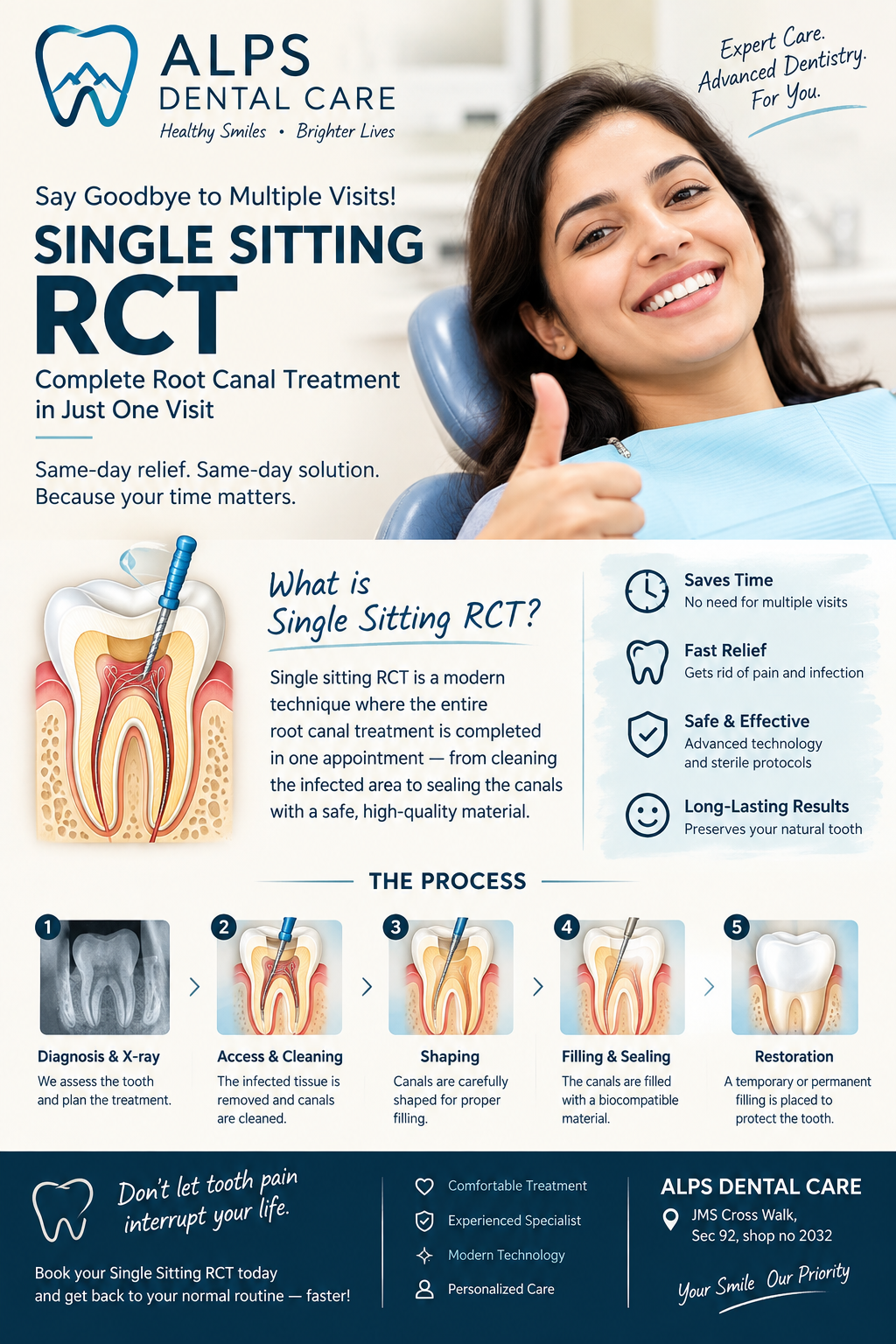
Modern endodontics
Single Sitting RCT: Complete Guide to Single-Visit Root Canal TreatmentSingle Sitting RCT (Root Canal Treatment) is an advanced endodontic treatment approach in which the cleaning, shaping, disinfection and root canal filling of a tooth can be completed in one appointment, when the clinical condition of the tooth allows it.For patients with severe tooth pain, deep decay or an infected tooth, single-visit root canal treatment can provide an efficient way to save the natural tooth while reducing the number of dental appointments.What Is a Single Sitting RCT?A root canal treatment removes infected or inflamed pulp tissue from inside the tooth. The canals are carefully cleaned, shaped and disinfected before being sealed with a suitable root-filling material.In a single sitting RCT, these essential stages are completed during one carefully planned appointment.Modern endodontic techniques, rotary or reciprocating instrumentation, effective irrigation, magnification and digital imaging can help the dentist perform root canal treatment efficiently and precisely.Who Can Benefit From Single Sitting Root Canal Treatment?Single sitting RCT may be considered when:The tooth has irreversible pulp inflammationThe canals can be adequately cleaned and disinfectedThe canals can be properly driedThere is no uncontrolled swelling or drainageThe tooth is suitable for complete treatment in one appointmentThe patient prefers fewer dental visitsHowever, not every root canal case should be completed in one sitting. Complex anatomy, persistent infection, significant swelling, difficult drainage, or other clinical factors may make multiple visits more appropriate.Is Single Sitting RCT Safe?When the case is appropriately selected and the treatment is performed using proper endodontic protocols, single-visit RCT can be a reliable treatment option.Research comparing single-visit and multiple-visit root canal treatment has generally not demonstrated a clinically important difference in postoperative pain or overall treatment outcomes. However, treatment should always be individualized according to the tooth and the patient's clinical condition.What Happens During a Single Sitting RCT?A typical single-visit root canal procedure may involve:1. Diagnosis and Digital X-RayThe tooth is examined clinically and radiographically to determine the extent of decay, infection and root canal anatomy.2. Local AnaesthesiaThe tooth is comfortably numbed before treatment begins.3. IsolationThe tooth is isolated to maintain a clean and controlled treatment environment.4. Access OpeningA small opening is made to gain access to the pulp chamber and root canals.5. Cleaning and ShapingThe canals are carefully cleaned and shaped using appropriate endodontic instruments.6. Irrigation and DisinfectionSpecialised irrigation solutions are used to help eliminate microorganisms and debris from the root canal system.7. ObturationAfter appropriate cleaning and drying, the canals are filled and sealed.8. Final RestorationThe tooth is restored to protect it from leakage and fracture. In many posterior teeth, a dental crown may be recommended after root canal treatment to provide additional protection.Does Single Sitting RCT Cause More Pain?Some discomfort or tenderness can occur after root canal treatment, but severe postoperative pain is uncommon.Recent evidence suggests that postoperative pain is broadly similar between single-visit and multiple-visit root canal treatment, although individual experiences can vary depending on the diagnosis, infection, anatomy and treatment complexity.Advantages of Single Sitting RCTPotential advantages include:Fewer dental appointmentsLess time away from work or routine activitiesFaster completion of root canal treatmentEarlier progression toward the final restorationConvenient option for patients with busy schedulesReduced need for temporary restorations between appointmentsThe main goal, however, should always be proper cleaning, disinfection and sealing of the root canal system—not simply completing treatment quickly.Single Sitting RCT vs Multiple Visit RCTBoth approaches can be appropriate. Single Sitting RCT Multiple Visit RCT Treatment completed in one appointment Treatment divided into two or more appointments Convenient for suitable cases Useful when additional treatment time is required Fewer appointments Allows reassessment between visits Faster progression to final restoration May be preferred in selected complex/infected cases Case selection is important Useful when canals cannot be appropriately completed in one visit The dentist should decide the treatment approach after examining the tooth rather than choosing a protocol based only on the number of appointments.How Long Does a Single Sitting RCT Take?The duration depends on the tooth and its anatomy.A straightforward tooth may be completed in a single appointment, while a complex molar with multiple or curved canals may require more treatment time. The final restoration, such as a permanent filling or crown, is also an important part of protecting the treated tooth.Is Single Sitting RCT Better Than Tooth Extraction?If a tooth can be predictably restored, saving the natural tooth through root canal treatment is often preferable to extraction, because retaining the natural tooth can help maintain chewing function and avoid the need for tooth replacement.The suitability of RCT depends on factors such as remaining tooth structure, periodontal condition, root anatomy and restorability.Why Choose ALPS Dental Care for Root Canal Treatment?At ALPS Dental Care, root canal treatment is planned according to the individual tooth and patient's needs.Our approach focuses on:Accurate diagnosisDigital dental imagingModern endodontic techniquesCareful canal cleaning and disinfectionPrecise root canal fillingProper final restorationPatient comfort and communicationFrequently Asked QuestionsCan every RCT be completed in one sitting? No. Single sitting RCT is suitable for selected cases. Some teeth require multiple visits depending on infection, swelling, drainage, anatomy and other clinical factors.Is single sitting RCT painless? Modern local anaesthesia makes the procedure comfortable for most patients. Mild tenderness after treatment can occur.How many hours does single sitting RCT take? Treatment time varies according to the tooth and complexity. Some cases can be completed in one appointment, while complex cases may require more time.Does a root canal-treated tooth need a crown? Many heavily restored or posterior teeth benefit from a crown or other cuspal-protective restoration. The final restoration should be decided according to the amount of remaining tooth structure and functional requirements.Can an infected tooth be treated in one sitting? Sometimes yes, but not every infected tooth is suitable for single-visit treatment. The dentist must evaluate the infection, drainage, symptoms and canal conditions before deciding.ConclusionSingle Sitting RCT is a modern and convenient approach to root canal treatment for appropriately selected cases. It can reduce the number of dental appointments while providing effective treatment when proper cleaning, disinfection and sealing can be achieved in one visit.The priority should always be quality endodontic treatment and long-term tooth preservation—not simply fewer appointments.If you have tooth pain, sensitivity, deep decay or a previously treated tooth that is causing discomfort, an examination and dental X-ray can help determine whether single sitting RCT or multiple-visit treatment is appropriate.ALPS Dental Care – Professional Root Canal Treatment with a focus on precision, comfort and long-term tooth preservation.
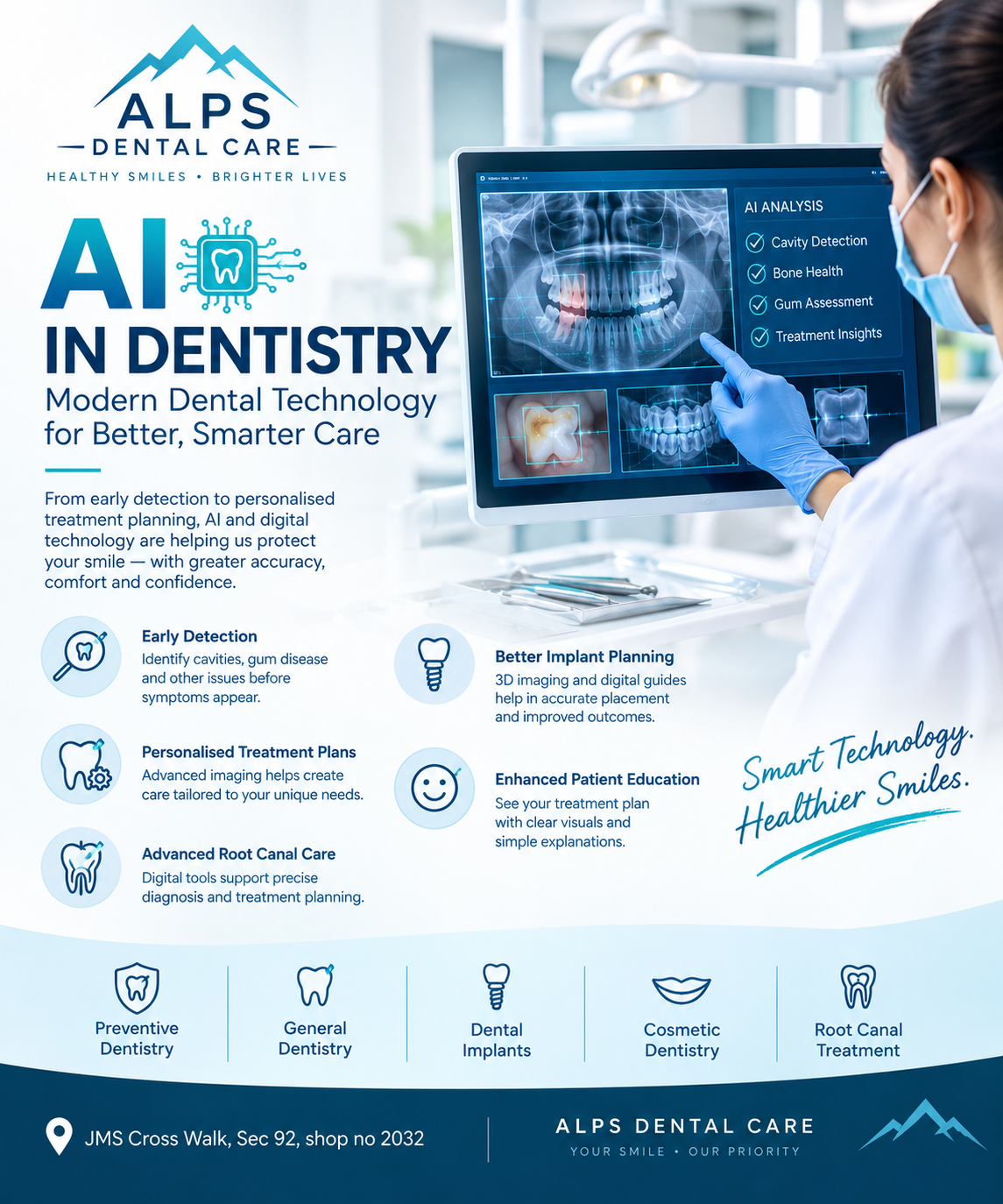
AI in dentistry
For patients, the most important factor will remain the combination of modern technology, a careful dental examination, and a personalised treatment plan.Experience Modern Dental Care at ALPS Dental CareAt ALPS Dental Care, our focus is on preventive dentistry, patient education, and treatment planning based on individual dental needs. Whether you need a routine check-up, cavity assessment, root canal treatment, dental implants, or smile enhancement, a professional consultation can help you understand the options available.Book your dental consultation with ALPS Dental Care to discuss your oral health concerns and suitable treatment options.
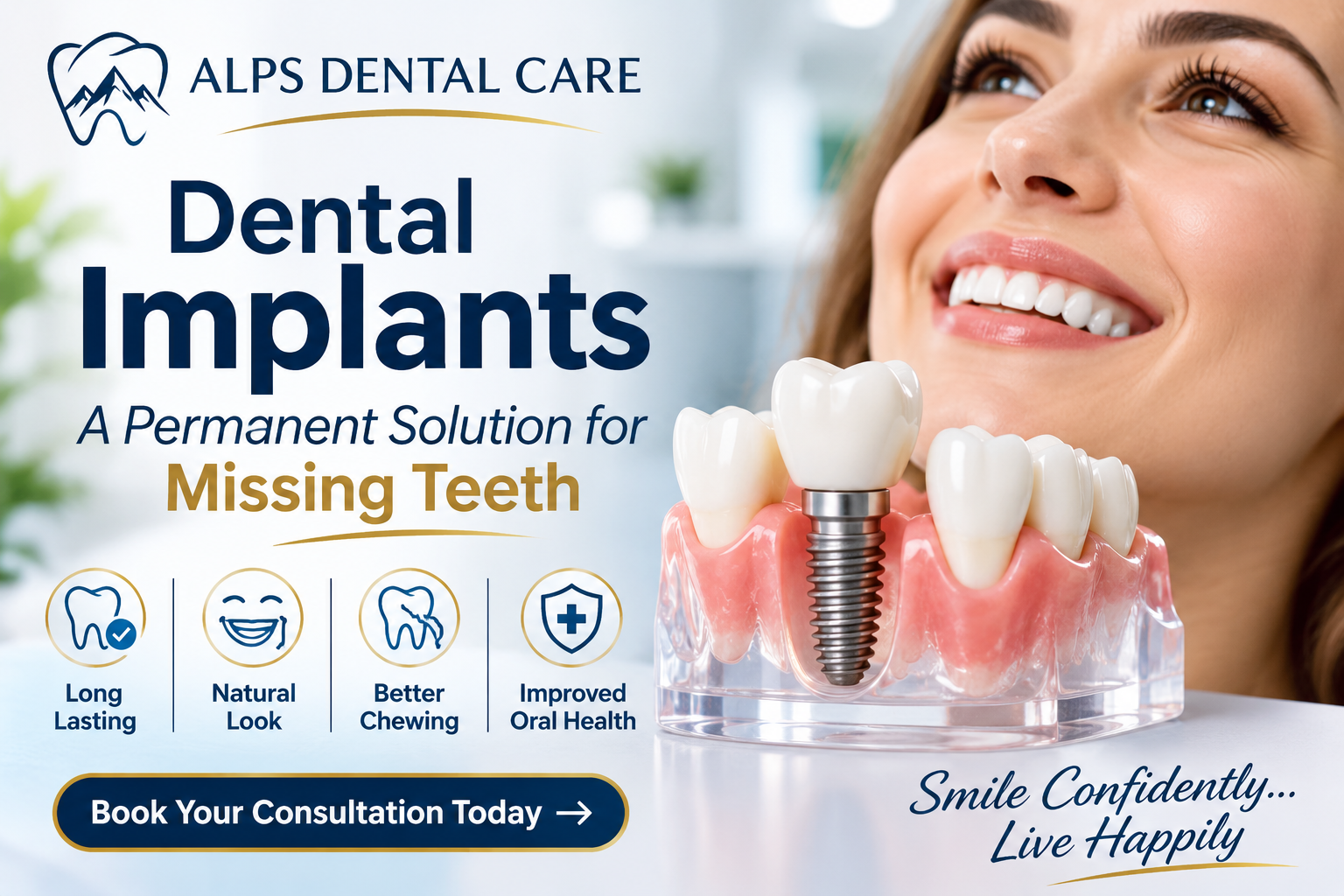
Dental Implants
Aesthetic and functional restorations.Long-term implant maintenance guidance.Our goal is to help you regain a healthy, functional and confident smile.Restore Your Smile with Dental Implants!Don't let missing teeth affect your confidence or quality of life. Explore modern dental implant solutions and take the first step towards restoring your smile.Book your dental implant consultation at ALPS DENTAL CARE today!📍 JMS Cross Walk, Sector 92, Shop No. 2032, Gurugram.
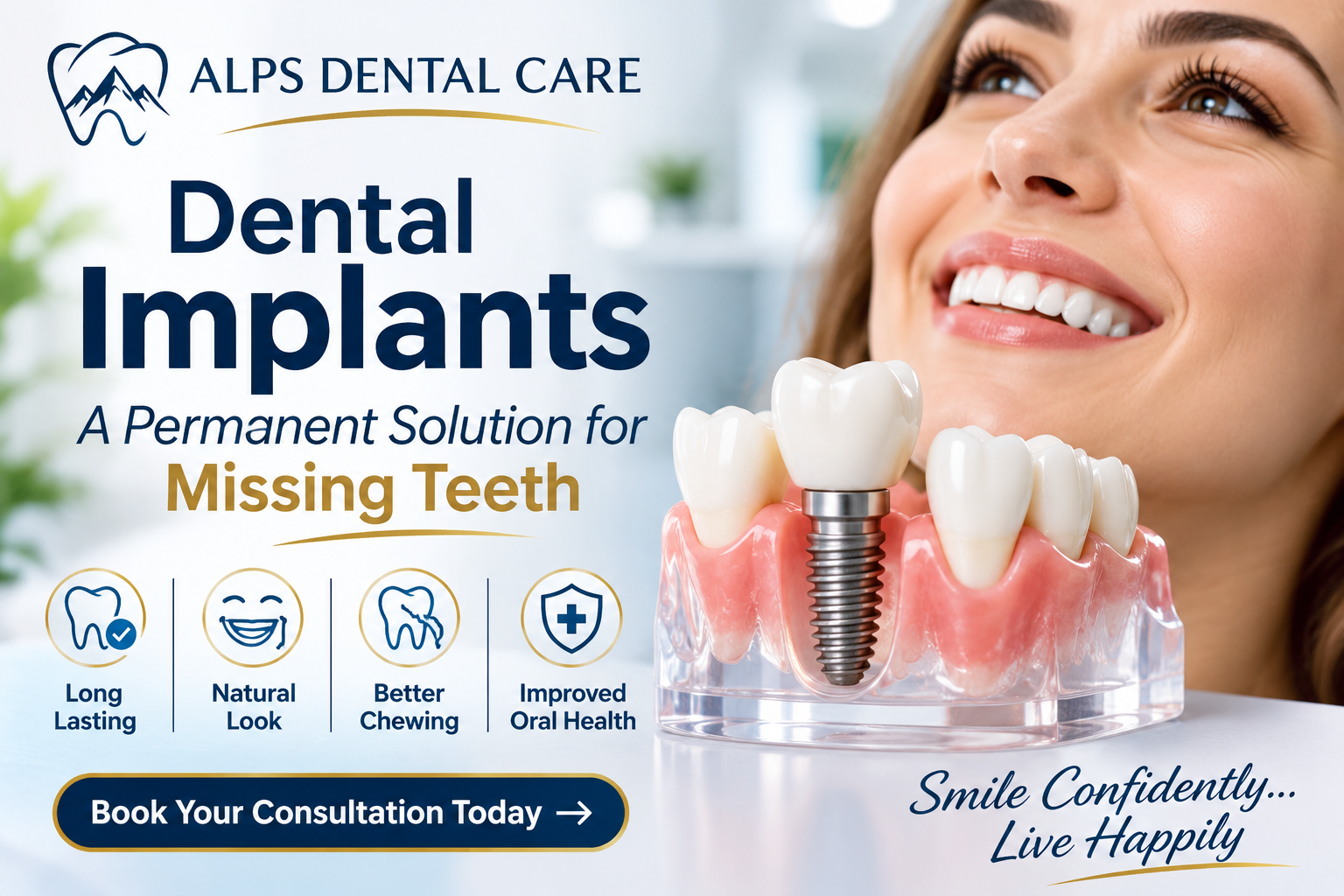
Best Dental implants in New Gurgaon
5. How do I know whether I am suitable for implants?A consultation, clinical examination and appropriate imaging will help determine your suitability.ALPS DENTAL CARE – Your Destination for Dental Implants in New GurgaonDo not let missing teeth affect your confidence or quality of life.Take the first step towards restoring your smile with a personalised dental implant consultation at ALPS DENTAL CARE.ALPS DENTAL CAREExcellence in Dentistry. Confidence in Every Smile.Book Your Dental Implant Consultation Today!
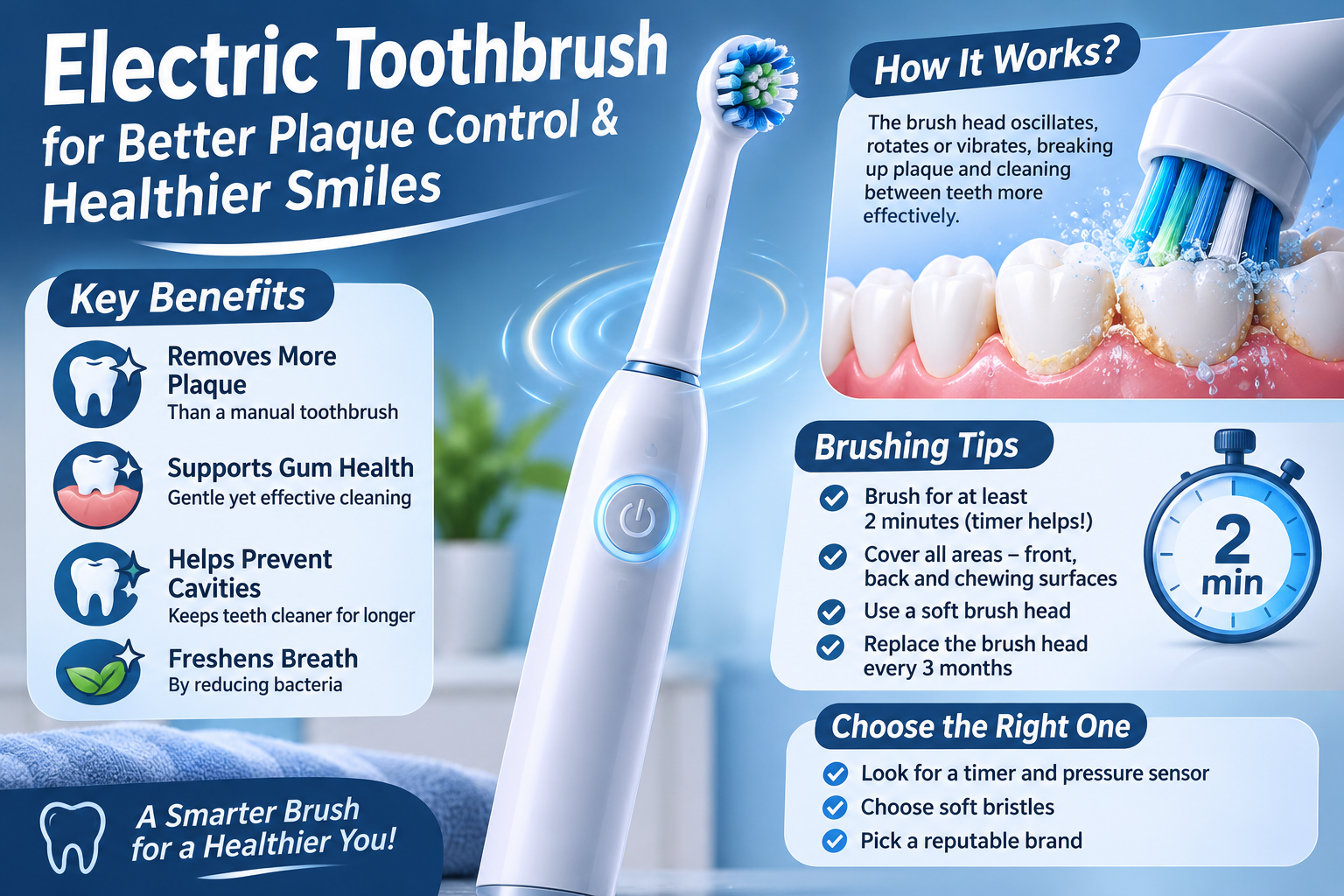
Electric Toothbrush and plaque control
Easily available replacement brush headsComfortable gripHow Often Should You Replace the Brush Head?Replace the brush head every three to four months, or sooner if the bristles become frayed or damaged.ConclusionAn electric toothbrush can be a useful tool for improving plaque control and supporting healthy teeth and gums. Features such as automatic brush movements, built-in timers and pressure sensors can encourage better brushing habits.However, proper technique and consistency remain essential. Brushing twice daily with fluoride toothpaste, cleaning between teeth and visiting a dentist regularly are important for maintaining long-term oral health.
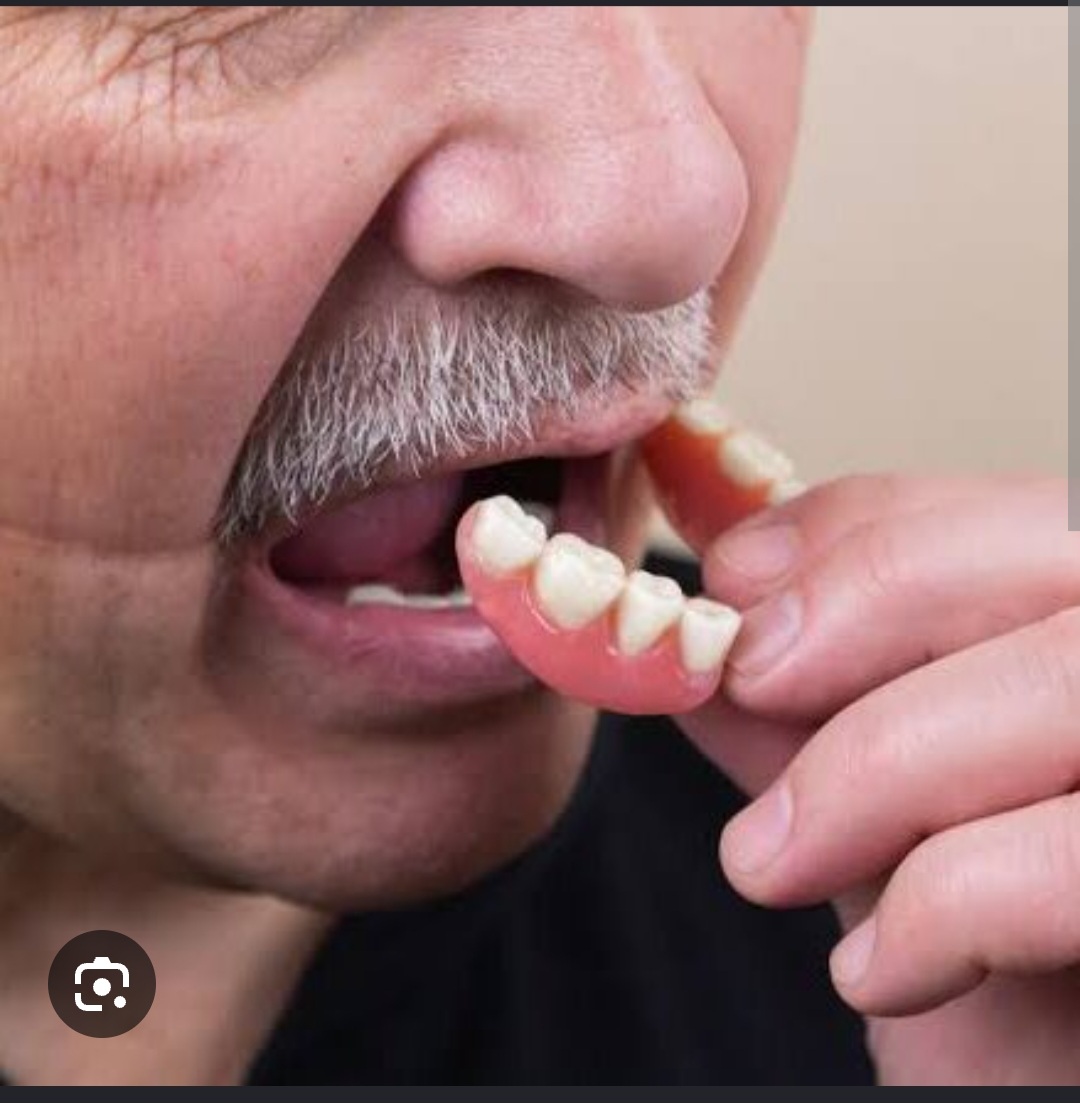
Old Age Dentistry in Sector 92 & 93 Gurgaon – Complete Senior Dental Care at Alps Dental Care
IntroductionAs we age, dental care becomes even more important. Seniors often face oral health issues like tooth loss, gum disease, dry mouth, sensitivity, and difficulty chewing. At Alps Dental Care, Sector 92 & 93 Gurgaon, we provide specialized old age dentistry services designed to keep senior citizens comfortable, healthy, and confident.Good oral health improves overall health, nutrition, speech, and quality of life. Our experienced dental team focuses on gentle, personalized, and preventive dental care for elderly patients.What is Old Age Dentistry?Old age dentistry, also known as geriatric dentistry, focuses on diagnosing, preventing, and treating dental problems commonly faced by senior citizens.At Alps Dental Care, Gurgaon, we offer:Complete dental checkups for seniorsDentures and replacement teethGum disease treatmentDental implants for elderly patientsTooth sensitivity treatmentDry mouth managementRoot canal treatmentTooth extractionPreventive dental care for aging teethCommon Dental Problems in Senior Citizens1. Tooth LossMissing teeth can affect chewing, speech, and confidence. We provide comfortable dentures and advanced tooth replacement options.2. Gum DiseaseGum infections are common in elderly patients and may lead to tooth mobility and bad breath if untreated.3. Dry MouthMany medications cause dry mouth, increasing the risk of cavities and infections.4. Tooth SensitivityWorn enamel and gum recession can make teeth sensitive to hot and cold foods.5. Difficulty ChewingWeak or missing teeth can make eating difficult and affect nutrition.Importance of Dental Care for Elderly PatientsPrevents Serious Oral ProblemsRegular dental visits help detect cavities, infections, oral cancer, and gum disease early.Improves Overall HealthPoor oral health has been linked to diabetes, heart disease, and other medical conditions.Enhances Quality of LifeHealthy teeth and gums improve eating, speaking, and self-confidence.Maintains Natural Teeth LongerPreventive dental care helps seniors retain their natural teeth for years.Denture & Tooth Replacement Services in GurgaonAt Alps Dental Care, Sector 92 Gurgaon, we provide customized solutions for missing teeth:Complete denturesPartial denturesFixed dental bridgesDental implantsImplant-supported denturesOur dentures are designed for comfort, natural appearance, and improved chewing efficiency.Gentle & Comfortable Dental Care for SeniorsWe understand elderly patients may feel anxious during dental treatment. Our clinic ensures:Painless dental proceduresComfortable environmentPatient-friendly consultationAdvanced dental technologyStrict sterilization standardsWe take extra care to make every senior patient feel relaxed and safe.Signs Seniors Should Visit a Dentist ImmediatelyYou should consult a dentist if you notice:Bleeding gumsLoose teethDifficulty chewingPersistent bad breathMouth ulcersDry mouthTooth pain or swellingBroken denturesEarly treatment can prevent major dental complications.Why Choose Alps Dental Care, Gurgaon?Experienced Senior Dental CareWe provide specialized dental treatment for elderly patients with compassion and expertise.Advanced TechnologyModern equipment ensures accurate diagnosis and comfortable treatment.Personalized Treatment PlansEvery senior patient receives customized care according to their oral and medical condition.Convenient LocationEasily accessible for residents of Sector 92, Sector 93, New Gurgaon, and nearby areas.Best Dental Clinic for Senior Citizens in Sector 92 & 93 GurgaonIf you are looking for:Old age dentistry in GurgaonSenior citizen dental clinic near meDenture clinic in Sector 92 GurgaonElderly dental care in Sector 93 GurgaonBest dentist for seniors in GurgaonThen Alps Dental Care is here to help.Tips for Maintaining Oral Health in Old AgeBrush twice daily with a soft toothbrushClean dentures regularlyVisit the dentist every 6 monthsAvoid tobacco and smokingDrink enough water to reduce dry mouthMaintain healthy eating habitsBook Your Appointment TodayAt Alps Dental Care, Gurgaon, we believe every senior deserves healthy teeth and a comfortable smile.👉 Schedule your dental checkup today for expert elderly dental care in Sector 92 & 93 Gurgaon.👉 Get compassionate, affordable, and advanced dental treatment for senior citizens near you.ConclusionOld age dentistry plays a vital role in maintaining overall health and quality of life for seniors. Regular dental care, proper hygiene, and timely treatment can prevent pain, tooth loss, and major oral health problems.Choose Alps Dental Care, Sector 92 & 93 Gurgaon for trusted and professional senior dental care services in Gurgaon.
Showing 1–9 of 38 articles
Stay Informed on
Clinical Innovations.
Join 500+ patient subscribers receiving monthly updates on dental technology and care protocols.