Early detection of caries and gum disease
PUBLISHED BY
Dr. Bharti Kaushik
Early Detection of Caries and Gum Disease: Why Regular Dental Checkups Matter
Healthy teeth and gums are not just about having a beautiful smile—they are an important part of your overall oral health. Two of the most common dental problems are dental caries (cavities) and gum disease. The good news is that both can often be detected at an early stage, when treatment is simpler and more conservative.
Many dental problems may develop without causing noticeable pain in the beginning. This is why regular dental checkups and early detection of caries and gum disease play an important role in maintaining healthy teeth and gums.
What Is Dental Caries?
Dental caries, commonly called tooth decay or cavities, occurs when acids produced by bacteria gradually damage the tooth structure.
In its early stages, caries may appear as a white, chalky or brownish spot on the tooth. At this stage, there may be little or no pain.
If the decay progresses, it can form a cavity and eventually reach the deeper layers of the tooth, potentially causing sensitivity, severe pain or infection.
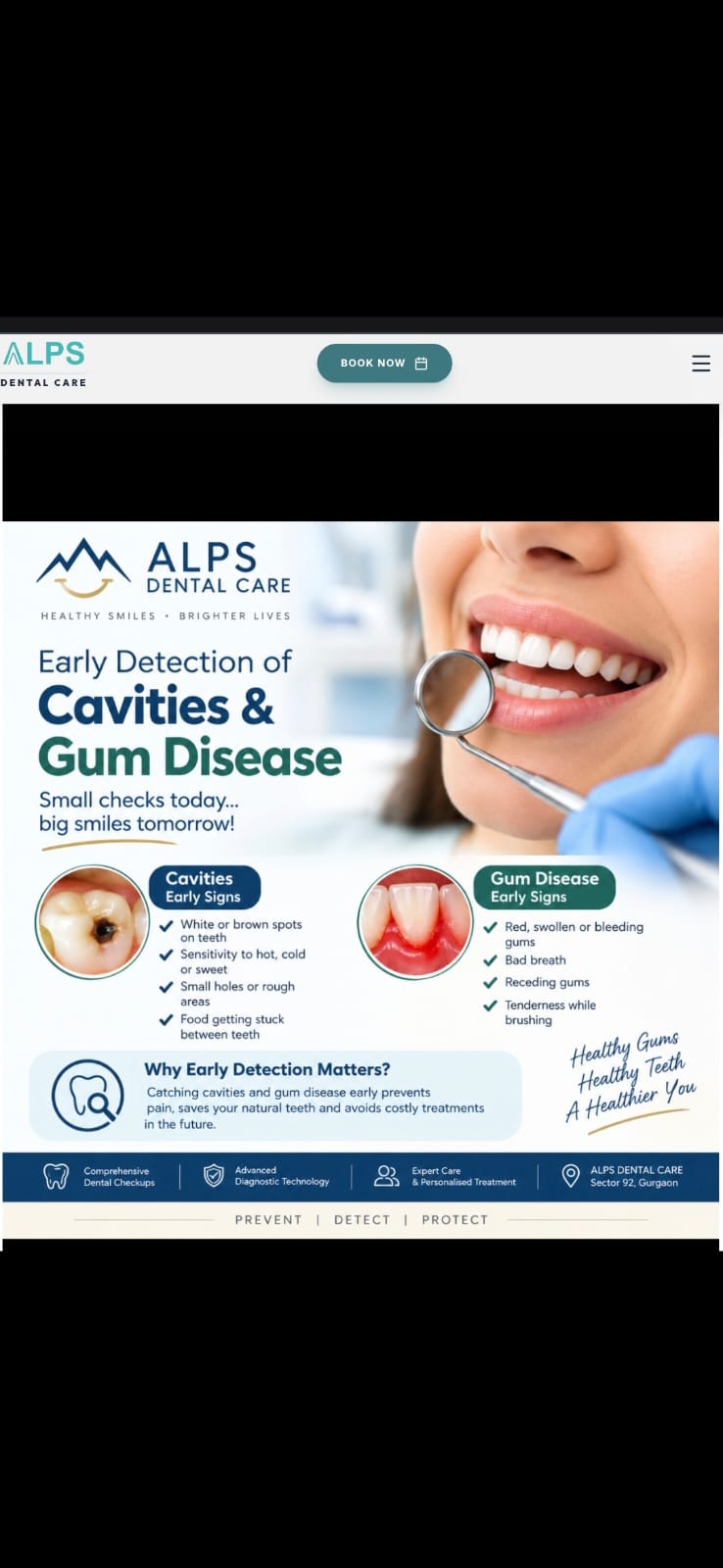
Early Signs of Dental Caries
Look out for:
White, brown or dark spots on the teeth
Sensitivity to cold, hot or sweet foods
Food frequently getting stuck in one area
Rough or chipped areas on a tooth
Mild toothache or discomfort while chewing
A visible hole or cavity
However, the absence of pain does not necessarily mean that your teeth are healthy. Early decay can sometimes be detected only during a professional dental examination.
What Is Gum Disease?
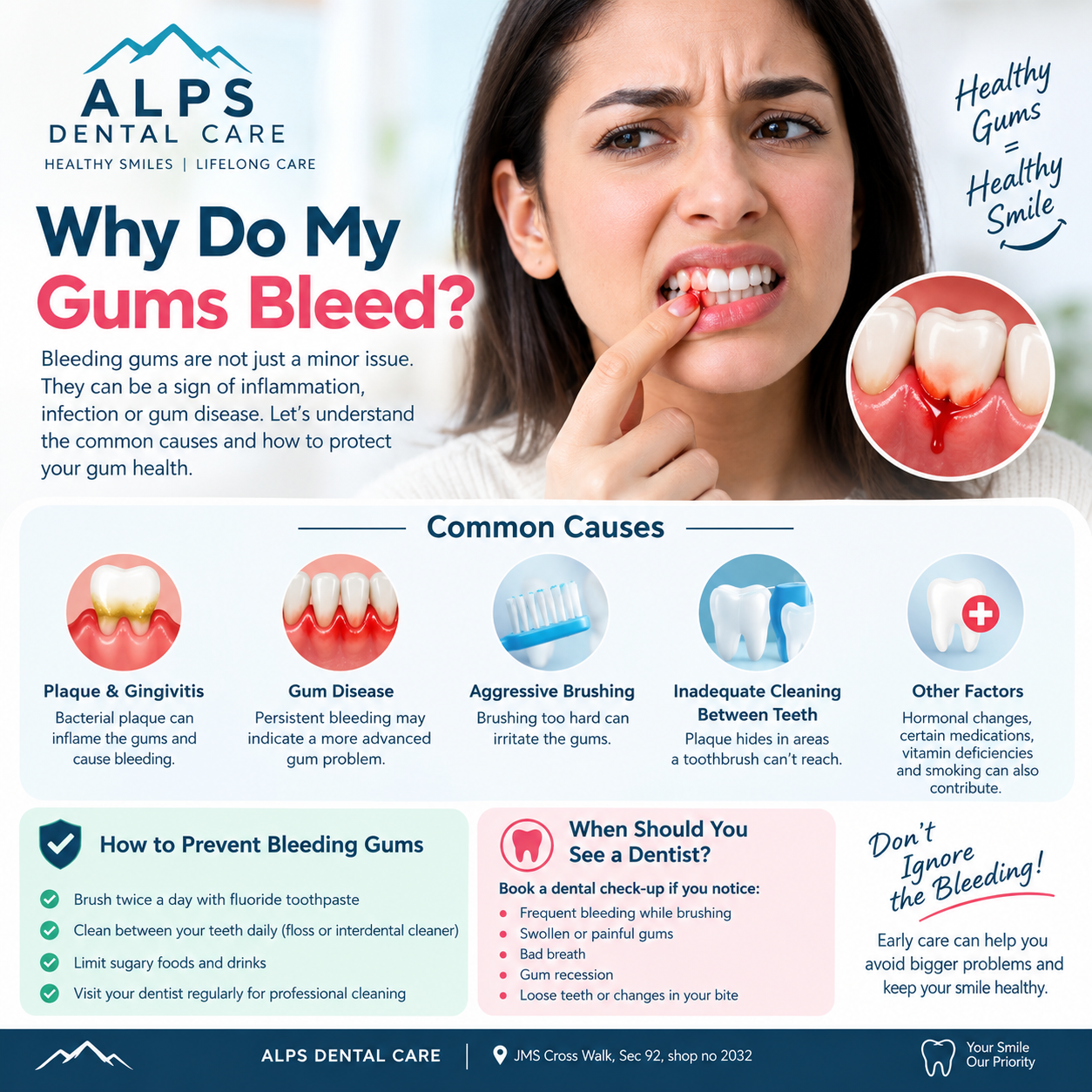
Gum disease is an infection and inflammation of the tissues supporting your teeth. It commonly begins as gingivitis, which may cause red, swollen or bleeding gums.
When left untreated, gum disease can progress to periodontitis, which may affect the bone supporting the teeth.
Early Signs of Gum Disease
Possible warning signs include:
Bleeding while brushing or flossing
Red or swollen gums
Persistent bad breath
Tender or sensitive gums
Gum recession
Changes in the way your teeth fit together
Loose or mobile teeth in advanced disease
Bleeding gums should not simply be considered normal. They can be an early warning sign that your gums need professional evaluation.
Why Early Detection Matters
Detecting dental problems early can help prevent them from becoming more complicated.
1. Helps Preserve Natural Tooth Structure
When decay is identified early, treatment may be more conservative than when a large cavity has already developed.
2. Prevents Progression of Gum Disease
Early gum inflammation can often be managed with professional cleaning, improved oral hygiene and appropriate follow-up. Advanced periodontal disease may require more extensive treatment.
3. Reduces the Risk of Dental Pain and Infection
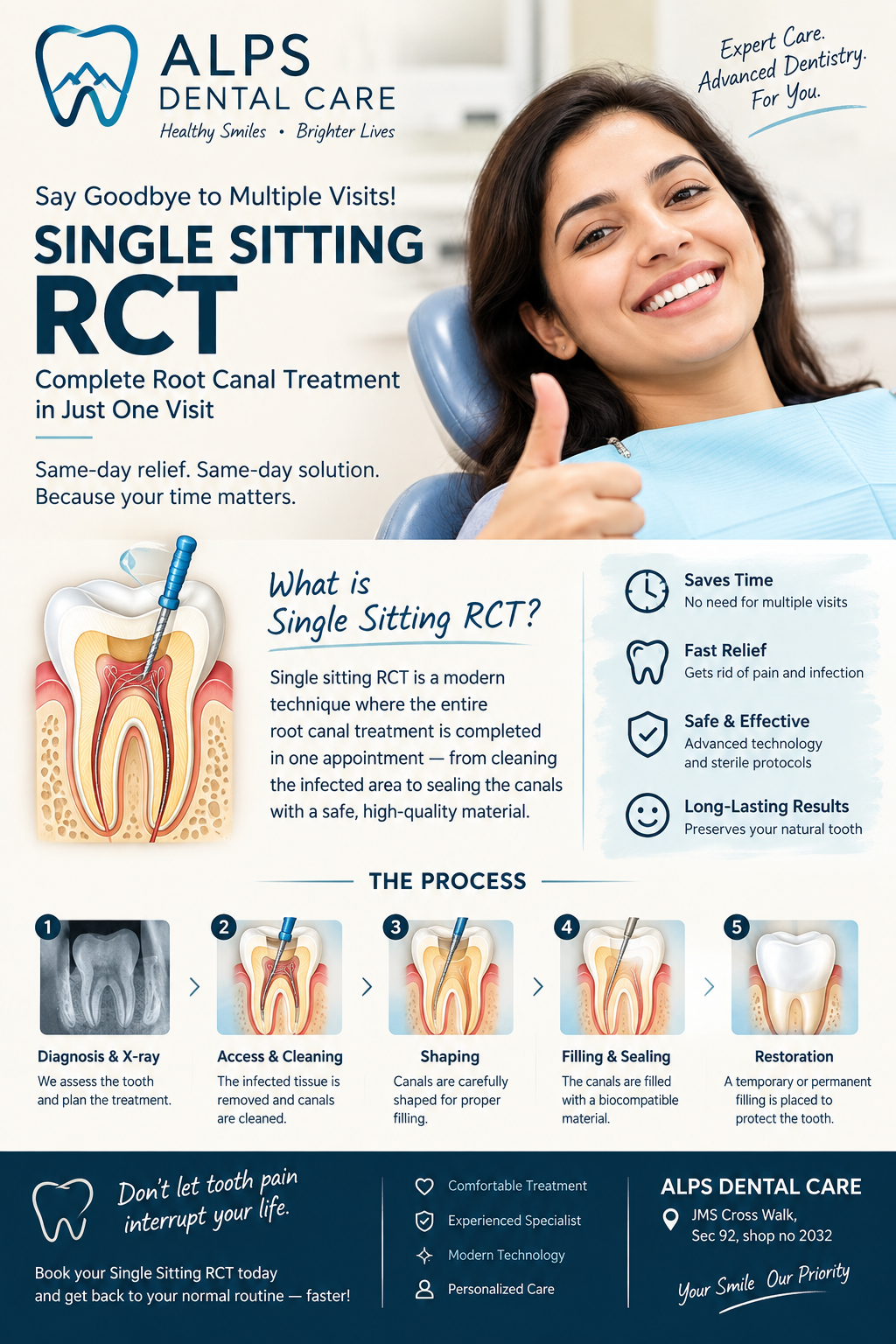
Untreated caries can eventually reach the dental pulp and may require root canal treatment or extraction.
4. Supports Long-Term Oral Health
Regular examinations allow your dentist to monitor changes over time and create a preventive dental care plan suited to your needs.
How Dentists Detect Cavities and Gum Disease Early
A dental examination may include:
Clinical examination: Your dentist examines the teeth, gums and surrounding oral tissues for early signs of disease.
Dental X-rays when indicated: Radiographs can help identify decay or other problems that may not be visible during a routine visual examination.
Gum assessment: The dentist evaluates gum health, bleeding, inflammation, recession and periodontal pockets when necessary.
Professional cleaning: Removal of plaque and calculus helps improve gum health and allows better examination of the teeth and gums.
How Can You Prevent Cavities and Gum Disease?
A good preventive dental routine includes:
Brush twice a day with fluoride toothpaste.
Clean between your teeth daily using floss or interdental aids.
Limit frequent consumption of sugary foods and drinks.
Maintain a balanced diet and good hydration.
Avoid tobacco products.
Do not ignore bleeding gums or persistent sensitivity.
Schedule regular dental checkups based on your individual risk.
Children, adults with a history of cavities, patients with gum problems and people with certain medical or lifestyle risk factors may require more frequent monitoring.
Don't Wait Until Your Tooth Hurts
One of the biggest misconceptions about dental health is that you only need to visit a dentist when something hurts.
In reality, preventive dentistry focuses on identifying potential problems before they become painful or complicated.
A routine dental examination can help detect early caries, gum inflammation, worn teeth and other oral-health concerns before they progress.
Early Detection at ALPS DENTAL CARE
At ALPS DENTAL CARE, Sector 92, Gurgaon, our focus is on preventive and personalized dental care. Regular dental examinations can help identify early signs of cavities and gum disease and allow appropriate treatment to be planned at the right time.
Whether you are experiencing tooth sensitivity, bleeding gums, bad breath or simply want to maintain your oral health, an early dental evaluation can be a valuable step toward protecting your natural teeth.
"Clinical excellence is not just about state-of-the-art equipment—it's about the precision of care and the empathy of the provider."
Dr. Bharti Kaushik, Founder